Readout 005: Beyond the Bodyguard
Why executive protection today extends far beyond the visible detail.
When most people hear “executive protection,” a familiar image comes to mind: A high-profile executive or celebrity moving through a crowd, surrounded by people in dark suits with earpieces, scanning the room as a black SUV waits outside.

It is the version of executive protection we have seen in movies for decades, and while most security professionals probably wouldn't object to looking quite that cool, the reality is considerably less cinematic.
Much of executive protection happens before anyone arrives at the hotel, steps onto a stage, or gets into the vehicle. The visible protection detail is only one piece of a much larger picture, and increasingly, some of the most important risks are the ones that cannot be seen standing in a crowd. That picture has changed considerably over the last decade.
The threat landscape changed before most people realized it.
It has become remarkably easy to learn a great deal about someone without ever getting close to them. Social media can reveal where someone lives, works, and travels, the events they attend, the places they frequent, and the people who surround them. Even when an executive is careful about what they share, they aren't necessarily the person doing the sharing.
An executive can be disciplined about their own online presence, but try as they might, they cannot always control every photo, tag, or post made by someone around them. Information that once would have required considerable effort to uncover is now readily available to anyone willing to look for it. Family members are also too often overlooked when we talk about executive protection. The risk doesn't necessarily stop with the executive, and neither should the assessment of it.
Protecting an executive while ignoring the exposure of the people closest to them leaves a gap. That doesn't mean every family member needs a protection detail, but it does mean they need to be part of the conversation when the risk is being assessed.
December 4, 2024 put executive risk in plain sight.

The December 2024 murder of UnitedHealthcare CEO Brian Thompson was a stark reminder of what targeted violence against a corporate executive can look like. It also prompted organizations to consider risks that may have previously seemed unlikely or remote, and to ask a difficult but necessary question: Could this happen to one of our executives? That question deserves an answer before an incident provides one.
Increasing protection in response to a high-profile event is understandable, but it is still reactionary. Executive protection should begin before there is a known threat. That means understanding where an executive may be exposed, how that exposure changes and what circumstances could increase the risk.
It also means resisting the temptation to equate position with risk. The person with the highest title is not necessarily the person facing the greatest threat. An executive’s public visibility, the nature of the business, travel, current events and a specific issue involving the company can all change the risk profile, sometimes quickly.
The appropriate level of protection should follow that risk. In some circumstances, that may require a dedicated protection detail. In others, the right response may be far less visible.
The objective is not to provide the most protection possible. It is to provide the right protection for the threat that actually exists.
Good protection begins before the itinerary does.
Executive travel is one of the clearest examples of where planning matters. By the time flights are booked, hotels are selected and an itinerary is finalized, many of the decisions that can affect risk have already been made.
That said, bringing executive protection into the process earlier does not mean Security dictates where an executive can travel or turns every business trip into a security operation. Rather, it gives the team an opportunity to understand the environment, identify concerns, and make recommendations while there are still options available.
That distinction matters because executives are not always the best judges of their own exposure. What feels routine to someone who travels constantly may look very different through a security lens. Familiarity can make certain risks easier to dismiss, particularly when nothing has gone wrong before. The goal is not to make an executive more cautious for the sake of being cautious. It is to make sure the decisions surrounding the trip reflect the actual conditions they will be walking into.
A hotel, route or schedule that works perfectly well in one city may create unnecessary exposure in another. Local events, political activity, transportation, available medical care and changes in the threat environment can all affect a plan, and once the executive is already on the ground, the options become considerably narrower.
Planning gives you choices. Response gives you whatever choices are left.
Not every threat has bad intentions.
When executive protection is discussed, the focus tends to be on intentional threats: targeted violence, stalking, kidnapping or someone attempting to gain access to the executive. Those risks deserve attention, but they can also overshadow a far more common concern: Medical issues are one of the most underestimated risks in executive protection, particularly during travel.
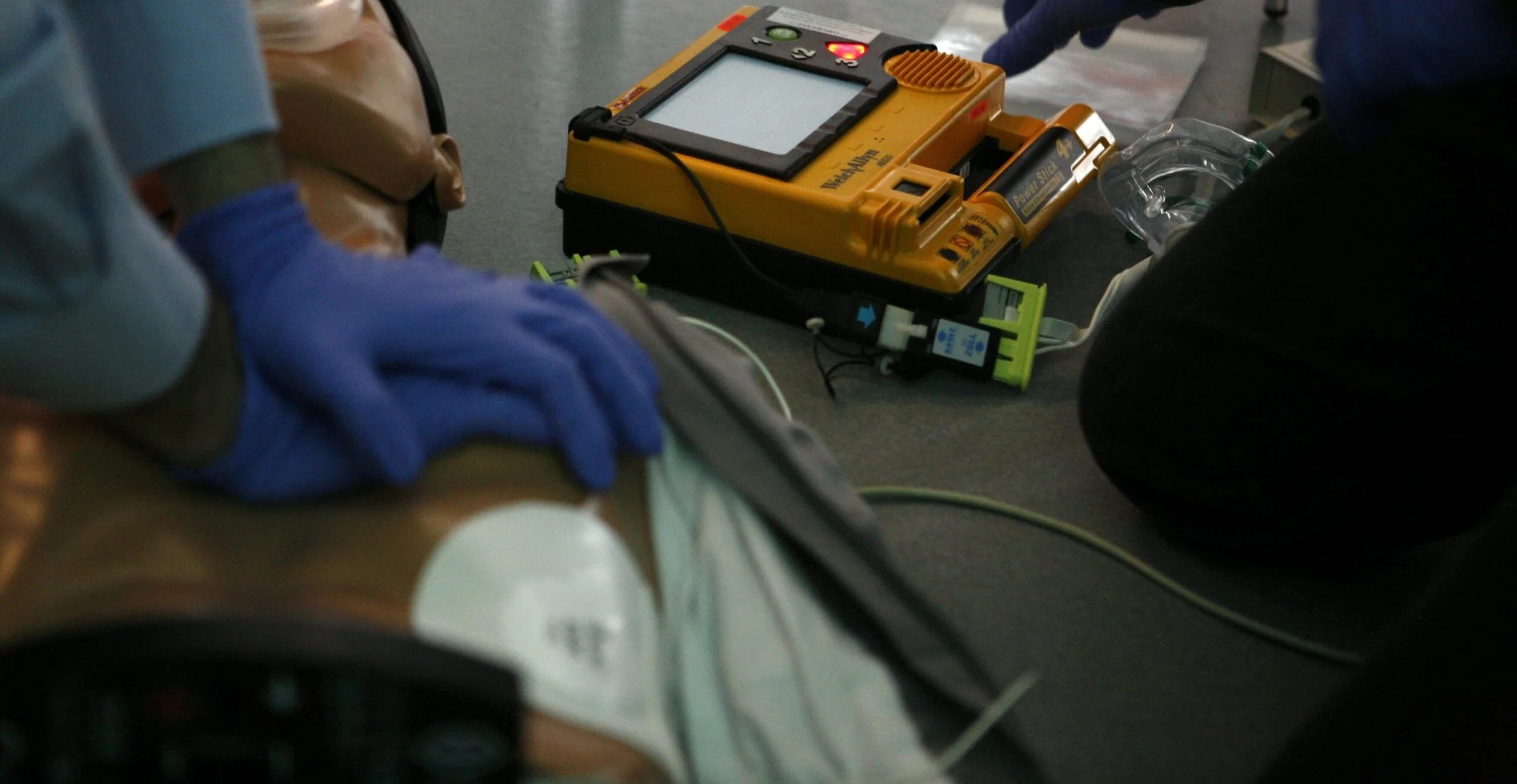
A medical emergency at home may be relatively straightforward. The executive knows the healthcare system, speaks the language and is likely within reach of appropriate care. Move that same person halfway around the world and those assumptions disappear quickly.
Knowing where the nearest hospital is isn't necessarily enough. What level of care can it provide and how quickly can you get the executive there? If the care they need isn't available locally, what is the next option?
These aren't questions to begin asking when someone becomes ill. They are part of the advance work.
Sometimes the best protection is the protection no one notices.
There are circumstances where a visible security presence is necessary. There are also circumstances where it can create exactly what you are trying to avoid: attention.
A large or obvious protection detail can signal that someone important has entered the room before anyone knows who that person is. It can change the way people behave around an executive, complicates movement, and, in some environments, make the executive more conspicuous rather than less.
The level and visibility of protection should be deliberate. If the threat calls for a highly visible presence, then that presence has a purpose. If it does not, there is little value in attracting unnecessary attention simply to demonstrate that security is there.
Good executive protection does not need an audience. Much of it should blend into the executive’s day rather than become the focus of it. The planning, coordination, awareness, and preparation can all be present without being obvious to everyone else in the room.
Which brings us back to that familiar image of the dark suits, earpieces, and black SUVs. Sometimes executive protection looks exactly like that. However, if it is being done well, you may never notice it at all.
Executive protection isn’t about reaction.
Reaction will always be part of security. Plans change at the last minute, new threats emerge, and sometimes circumstances leave you little choice but to respond to what is happening in the moment. Reaction should not be where executive protection begins.
It begins with understanding the threat environment and maintaining an awareness of the information available about the executive and the people around them. It means recognizing how changes in visibility, circumstances, or exposure can change the risk.
When travel is involved, it means assessing that risk before the trip is booked rather than after the itinerary is set. It means considering the medical emergency alongside the targeted threat, and knowing when a visible security presence is necessary and when it may only draw unnecessary attention.
None of those risks exists independently; they overlap, change, and sometimes appear with very little warning. Good executive protection means understanding those many layers of risk and how one can affect another.
Admittedly, none of that is quite as exciting as spotting the bad guy in a crowd, alerting your colleagues through an earpiece, and diving into the back of a waiting black SUV, but that’s probably a good thing.
The measure of good executive protection isn’t how well you respond when something goes wrong. It is how much you understood, anticipated, and planned for before it ever had the chance to.